If you are wondering how long does beard transplant take to grow, the answer is that a beard transplant in Islamabad typically takes 10 to 12 months to show its final fully mature result. The first visible new growth appears around month 3 to 4. Noticeable density usually shows up by month 6. The timeline is gradual because transplanted hairs shed within the first month. They then regrow slowly from dormant follicles. Patience during the first 90 days is the most important part of recovery. Many patients search for a clear month by month picture before they commit to surgery and this guide walks through exactly what to expect at every stage.
Table of Contents
- Understanding the Beard Transplant Growth Process
- Beard Transplant Growth Timeline Month by Month
- Factors That Affect Beard Transplant Growth Speed in Islamabad
- FUE vs FUT: Which Technique Grows Faster
- How to Speed Up Beard Transplant Growth: Aftercare Tips
- Common Mistakes That Slow Down Beard Transplant Growth
- Why Choose a Beard Transplant Clinic in Islamabad
- FAQs
- Conclusion
Understanding the Beard Transplant Growth Process
Why Transplanted Beard Hair Grows Differently
A beard transplant moves individual hair follicles from the back of the scalp to the cheeks and chin and jawline and mustache area. These relocated follicles have to settle into their new blood supply before they can grow normally again. That is why growth does not happen overnight. Patients at our Islamabad clinic work directly with Dr. Umbreen Munir Minhas, a well known plastic surgeon in Islamabad (drumbreen.com), who explains the process in three broad stages. These stages are healing and dormancy and regrowth. Each stage builds on the one before it so skipping proper care in the early weeks can slow down everything that follows.

What Happens Immediately After Surgery
In the first 7 to 10 days tiny scabs form around each transplanted graft. Mild redness and swelling are normal. They usually settle within a week. Patients are given specific aftercare instructions during the follow up consultation at the clinic. These instructions cover when it is safe to wash the face and when to resume normal activity. The surgical team also explains how to sleep and how to protect the treated area while it heals so that the newly placed grafts are not disturbed.
Beard Transplant Growth Timeline Month by Month
Timeframe and what to expect:
Week 1: Scabbing and mild redness while grafts settle in
Weeks 2 to 4: Transplanted hairs shed. This is called shock loss and is normal
Months 1 to 3: Dormant phase with little to no visible growth
Months 4 to 6: New finer hairs start emerging
Months 7 to 9: Hair thickens and fills in patchy areas
Months 10 to 12: Full maturation with natural texture and final density
Week 1: Healing and Scab Formation
The transplanted area scabs over as grafts secure themselves. Avoid touching or scratching or shaving this area during this period. Most patients can return to light work within a few days but should still avoid direct sun and sweat heavy activity until the scabs fall away naturally.
Weeks 2 to 4: The Shedding Phase
This is the stage that worries most patients. The newly transplanted hairs fall out. This is expected. The follicle itself stays intact under the skin and will produce a new hair later. It is important not to panic during this phase since shedding is actually a sign that the follicle is preparing to enter a fresh growth cycle rather than a sign that the transplant has failed.
Months 1 to 3: The Dormant Phase
The skin looks mostly back to normal but very little visible hair growth happens yet. Follicles are in a resting phase before they re enter the active growth cycle. This quiet period is often the hardest part emotionally because there is little visible progress to show for the procedure even though healing is happening beneath the surface.
Months 4 to 6: Visible New Growth
Fine new hairs begin to emerge from the transplanted follicles. Growth is patchy at first and may look thinner than the surrounding natural beard. This is temporary. By the end of month six most patients can already see a rough outline of their final beard shape even though the hair is still soft and not fully textured.
Months 7 to 12: Full Maturation and Density
Hair continues to thicken and coarsen and blend with the surrounding beard. By month 10 to 12 most patients see their final mature result. They can style and trim the beard normally at this point. Some patients continue to notice small improvements in density and texture even beyond the twelve month mark as the follicles fully settle into their new location.
Factors That Affect Beard Transplant Growth Speed
Individual Biological Factors
- Age and genetics
- Donor hair quality and density
- Skin type and healing capacity
- Hormonal factors affecting hair growth
Lifestyle and Diet and Aftercare
- Following post op care instructions exactly as given
- Avoiding smoking since it slows healing and graft survival
- Eating a protein rich and nutrient dense diet
- Managing stress since it can affect hair growth cycles
- Getting enough quality sleep which supports overall tissue repair
Climate Considerations in Islamabad
Islamabad’s seasonal heat and dust can affect healing in the early weeks. Patients are usually advised to avoid direct sun exposure on the transplanted area. Keeping the area clean is especially important during summer months to reduce the risk of irritation or infection. During the monsoon season extra care should be taken to keep the face dry and free from excess moisture since damp conditions can increase the risk of minor skin irritation around healing grafts.
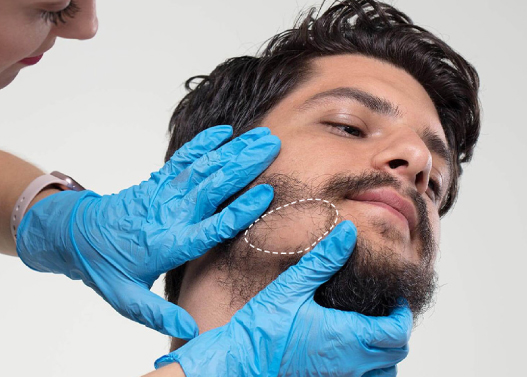
FUE vs FUT: Which Technique Grows Faster
Follicular Unit Extraction (FUE)
FUE involves extracting individual follicles one at a time and leaves no linear scar. Growth timelines are similar to FUT but recovery is generally faster and less visible. This makes FUE the more commonly chosen method for beard transplants today. Many patients in Islamabad prefer FUE because it allows a quicker return to normal routines and leaves minimal trace of the donor area.
Follicular Unit Transplantation (FUT)
FUT harvests a strip of tissue from the donor area. This strip is then divided into grafts. It can yield a higher graft count in a single session but comes with a longer healing period for the donor site scar. FUT is sometimes recommended when a patient needs a very high number of grafts in one sitting and donor scarring is less of a concern.
How to Speed Up Beard Transplant Growth: Aftercare Tips
- Follow your surgeon’s cleaning and medication schedule precisely
- Avoid shaving or trimming until cleared by your clinic (usually after week 2 to 3)
- Protect the area from direct sunlight and dust
- Stay hydrated and maintain a balanced protein rich diet
- Avoid smoking and excessive alcohol during recovery
- Attend all scheduled follow up appointments
- Sleep in a position that avoids pressure on the treated area
- Be patient. Most growth becomes visible only after month 3
Common Mistakes That Slow Down Beard Transplant Growth
Many patients unintentionally slow their own results by making avoidable mistakes during recovery. Picking at scabs is one of the most common issues and it can damage grafts before they have fully secured. Shaving too early is another frequent mistake since it can irritate the healing skin. Skipping follow up appointments means small problems go unnoticed until they become bigger ones. Poor diet and dehydration can also slow tissue repair and reduce the overall quality of new hair growth.
Why Choose a Beard Transplant Clinic in Islamabad
Choosing an experienced and board certified team matters as much as the technique itself. At our Islamabad clinic Dr. Umbreen Munir Minhas and her team personally assess donor hair density. They design a natural hairline and beard pattern suited to your face shape. They also provide a full aftercare plan to support healthy regrowth. Local aftercare also matters since a clinic familiar with Islamabad’s climate can give more accurate guidance on sun exposure and skin care during recovery. Beyond beard transplants the clinic is also known for procedures such as breast lift surgery in Islamabad (drumbreen.com/top-10-best-breast-lift-surgeons-in-islamabad) which reflects the same attention to natural looking results across every treatment offered.
FAQs
How long does beard transplant take to grow?
Most patients see their complete mature result between 10 and 12 months after surgery. Early growth becomes visible around month 3 to 4.
Is it normal for transplanted beard hair to fall out?
Yes. Shedding between weeks 2 and 4 is a normal part of the growth cycle. The follicle remains under the skin and will produce new hair later.
When can I shave after a beard transplant?
Most clinics advise waiting at least 2 to 3 weeks. Shaving should happen only after your surgeon confirms the area has healed.
Does a beard transplant hurt?
The procedure is done under local anesthesia so discomfort is minimal. Mild soreness in the first few days is normal and manageable with prescribed medication.
How can I make my beard transplant grow faster in Islamabad’s climate?
Protecting the transplanted area from sun and dust helps a great deal. Staying hydrated also helps. Strictly following your clinic’s aftercare instructions supports healthier and faster looking regrowth.
Will the transplanted beard hair need special maintenance later on?
Once the beard is fully grown it can be trimmed and styled like natural facial hair. No ongoing special treatment is required beyond normal grooming.
Conclusion
A beard transplant is a gradual process. Shedding and dormancy and slow regrowth are all normal parts of getting to a full natural looking beard by month 10 to 12. Understanding each stage in advance helps patients stay patient and avoid unnecessary worry during the quieter months of the timeline. Our Islamabad clinic also supports patients exploring other aesthetic and reconstructive goals, including those researching female genital surgery specialists in Islamabad (drumbreen.com/top-10-best-female-genital-surgery-specialists-in-islamabad) as part of their broader care journey. If you are considering a beard transplant in Islamabad this timeline gives you a realistic picture of what to expect at every stage of your recovery.
Ready to Start Your Beard Transplant Journey
Book a consultation with Dr. Umbreen Munir Minhas today and get a personalized beard transplant growth timeline based on your own hair and skin type. Schedule your consultation now at drumbreen.com and take the first step toward a fuller natural looking beard.