Replant cases explained on TV
Rhinoplasty in Islamabad by Female Plastic Surgeon Dr. Umbreen Munir Minhas
Rhinoplasty in Islamabad with Dr. Umbreen Munir Minhas is planned around three things: the shape of your nose, how well you breathe, and the balance of your whole face.

Medically reviewed by Dr. Umbreen Munir Minhas, MBBS, FCPS (Plastic Surgery). Last updated November 2026.
- 10+ Years Experience
- FCPS Plastic Surgery
- Female Surgeon
- G-8 Islamabad

Posted on Google 

Waqar Ahmad
September 14, 2026
 Trustindex verifies that the original source of the review is Google.
I consulted Dr. Umbreen Munir Minhas, Plastic Surgeon at ODC, Omer Diagnostics and Specialist Clinics Islamabad, for the management of a traumatic thumb injury.
The surgery was conducted very well with excellent post-operative care and guidance.
Dr. Umbreen’s conduct was highly professional, empathetic, and reassuring. The overall experience at ODC, was very positive.
I would strongly recommend Dr. Umbreen Munir Minhas to anyone seeking expert plastic surgical care in Islamabad.
May Allah grant Dr. Umbreen Munir Minhas unwavering precision, continuous growth in her field, and abundant blessings in every treatment she undertakes, making her a beacon of skill and care. Ameen.
Posted on Google

Ch Mazz
September 11, 2026
Trustindex verifies that the original source of the review is Google. Really happy with my Botox treatment and the overall experience. I liked the subtle and natural looking result
Posted on Google

Rana Ilyas
September 11, 2026
Trustindex verifies that the original source of the review is Google. Dermal fillers I am happy with my dermal filler treatment
Dr Umbreen understand my concerns and achieved a natural result.
Posted on Google

ahmad raza
September 6, 2026
Trustindex verifies that the original source of the review is Google. An exceptionally competent, expert, and humane doctor.
Posted on Google

Fayzan
August 11, 2026
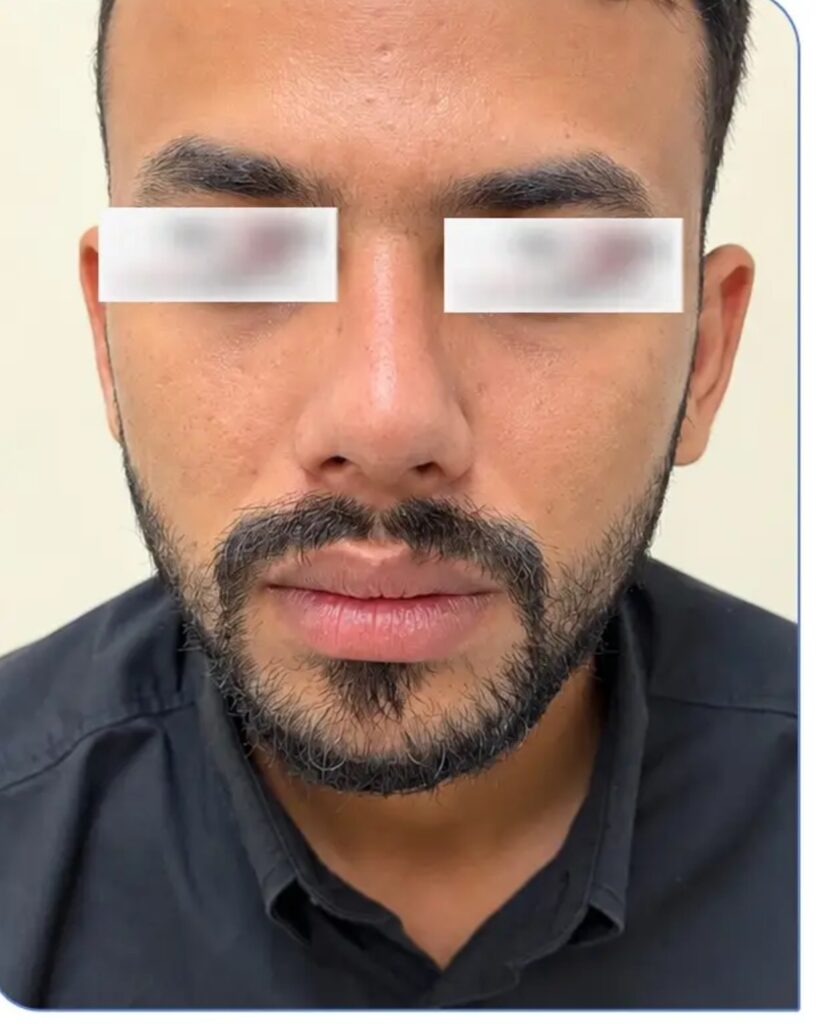
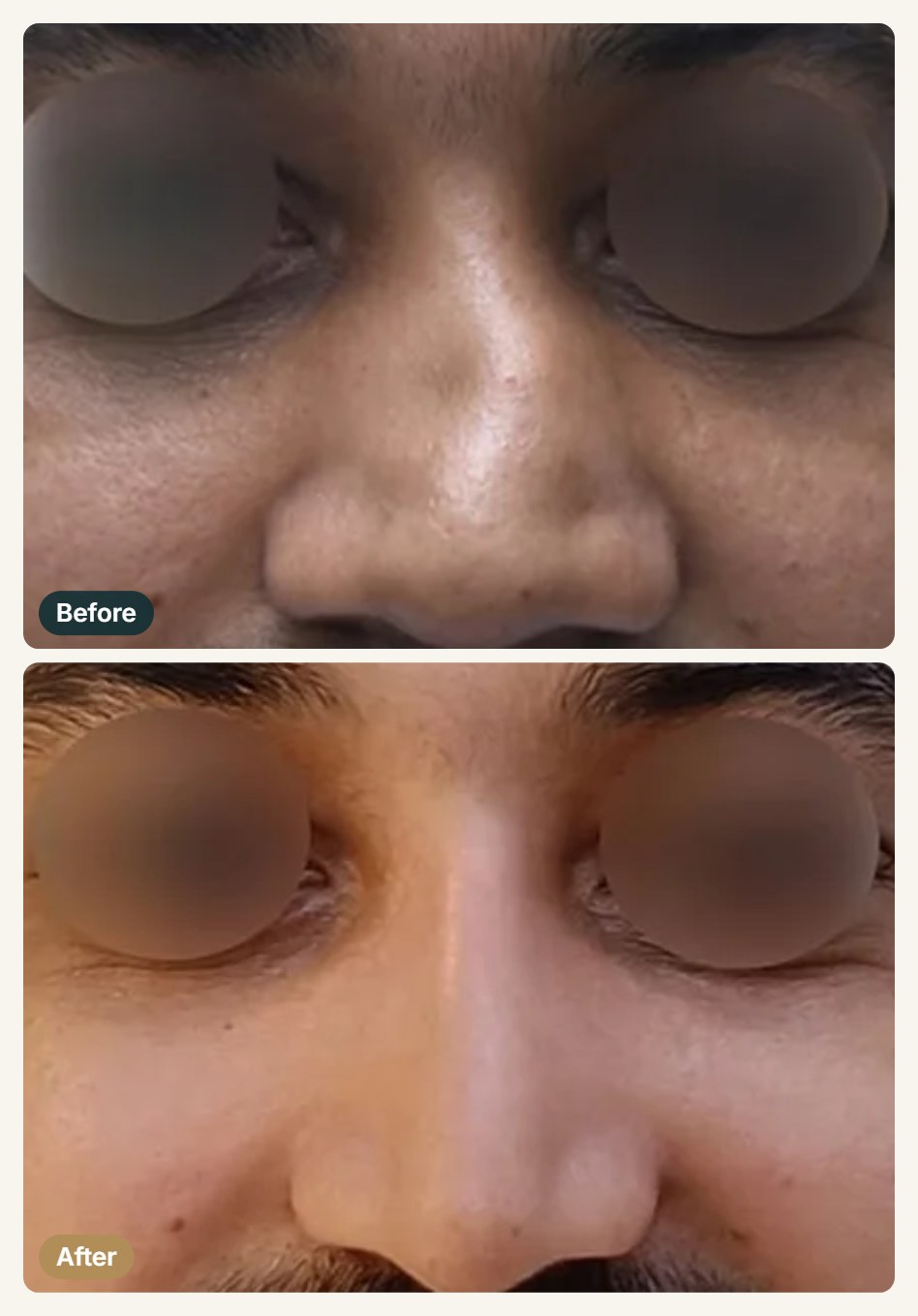
Trustindex verifies that the original source of the review is Google. She has done my wife's surgery very professionally after viewing her great experience I have also done my rhinoplasty, septoplasty and turbinoplasty from dr Umbreen Munir Minhas. She guides very well and do free follow ups untill patient is fully recovered and satisfied. She is not only a great doctor but also a wonderful person. I have received great results you can see in pictures
Posted on Google

Muqerb hashmi
August 4, 2026
Trustindex verifies that the original source of the review is Google. My chin liposuction consultation was very smooth with Dr. Umbreen. She was very humble and professional. She listened to me carefully and give the clear answers about my problem. So it's totally recommended.
Posted on Google

Erum
August 2, 2026
Trustindex verifies that the original source of the review is Google. Thank you for listening with such patience and treating me with absolute kindness.""Your gentle approach and warm smile made all my fears go away."Your expert guidance gave me my health and my life back.You are a remarkable physician and a true blessing."I am so thankful to have you as my doctor 🙏🙏🙏🙏💕💕💕💕
Posted on Google

Javeria Javed
July 31, 2026
Trustindex verifies that the original source of the review is Google. My tummy tuk consultation with Dr. Umbreen was a positive experience. She explain the important details clearly and give me the proper guidance about the further treatment and procedures.
Posted on Google

Ayesha
June 1, 2026
Trustindex verifies that the original source of the review is Google. I had hypospadias repair surgery for my son and Dr. Umbreen handled it with great sensitivity and skill. She is the most trusted plastic surgeon in Islamabad for pediatric plastic cases. Her calm demeanor as a plastic surgeon helped ease our family's anxiety. My son recovered quickly and we are forever grateful to Dr. Umbreen.
Posted on Google

Taiba
June 1, 2026
Trustindex verifies that the original source of the review is Google. I had dermal fillers done at Dr. Umbreen's clinic and the results are absolutely stunning. She is a world-class plastic surgeon in Islamabad who also serves as an outstanding dermatologist. The consultation was thorough and she customized the treatment specifically for my facial structure. Truly a gifted doctor!
What Is Rhinoplasty?
Rhinoplasty, often called a nose job, changes the size, shape or angle of your nose by reshaping its bone and cartilage. When the septum is straightened in the same operation to improve airflow, it is called septorhinoplasty.
The International Society of Aesthetic Plastic Surgery (ISAPS) recorded about 1 million rhinoplasties worldwide in 2024, and 60% of those patients were aged 18 to 34.
Why Do People Need Rhinoplasty?
Shape and Proportion
A hump, a wide bridge or a heavy tip can make the nose look too large for the face. South Asian noses often have thicker skin and a wider nostril base, so the plan has to respect that anatomy.
Blocked Breathing
The septum, the wall between your nostrils, is bent to some degree in about 3 out of 4 adults. Surgery is only considered when that bend actually blocks airflow, causes snoring or forces mouth breathing.
Broken or Crooked Nose
The nose is the most commonly broken bone in the face, accounting for 40 to 58% of facial fractures. A fresh break is reset within 2 weeks, while a healed crooked nose is corrected after about 6 months.
Cleft-Related Nose Changes
Cleft lip and palate affects about 1 in every 417 to 523 babies born in Pakistan. Even after early repair, a flattened nostril or bent septum often remains and can be corrected once facial growth is complete.
Unhappy With a Previous Nose Job
A pinched tip, a collapsed bridge or new breathing trouble can follow earlier surgery. A second operation, called revision rhinoplasty, is usually planned at least a year after the first one, once the tissues have softened.
Which Rhinoplasty Technique Does Your Nose Need?
Open Rhinoplasty
A small cut across the columella, the strip of skin between your nostrils, gives a full view of the cartilage. It leaves a fine line under the tip that usually fades within a year.
Closed Rhinoplasty
Every incision stays inside the nostrils, so there is no outside scar. It suits smaller changes, such as a modest hump or slight tip refinement, where grafts are not needed.
Hump Reduction
The bump of bone and cartilage on your bridge is filed down to straighten the profile. If the bridge then looks wide, controlled bone cuts called osteotomies bring the nasal bones closer together.
Tip Refinement
Stitches and small cartilage grafts reshape the two lower cartilages that form your tip. This narrows a bulbous tip or supports one that droops when you smile or talk.
Nostril Narrowing
Alar base reduction removes a small wedge of skin where each nostril meets the cheek. It reduces flare, and the scars sit in the natural crease beside each nostril.
What Results Can You Expect From Rhinoplasty?
Your result depends on skin thickness, cartilage strength and how you heal. Thick skin softens the outline, so a very sharp, narrow tip is not always possible. The photos below are shared with patient consent.



How Is Rhinoplasty Performed?
1. Consultation
Dr. Umbreen Munir Minhas examines your nose from the front, both sides and below. She checks the septum and airflow, then looks at your chin and forehead, because they change how the nose appears.
2. Preparation
You will need routine blood tests and an anesthesia check. Stop smoking 4 to 6 weeks before surgery, and stop aspirin and herbal supplements 2 weeks before unless told otherwise.
3. Surgery
The operation is done under general anesthesia and takes 1 to 3 hours. Bone and cartilage are reshaped, the skin is redraped, and a protective splint is fixed on your nose.
4. Going Home
Most patients leave the same day or after one night. Soft supports inside the nose mean you will breathe through your mouth at first, so bring someone to take you home.
How Long Does Rhinoplasty Recovery Take?
| Time After Surgery | What to Expect |
|---|---|
| First 3 days | Swelling and bruising around the eyes peak, and your nose feels blocked. |
| Day 7 | The splint and any outside stitches are removed in clinic. |
| Weeks 1 to 2 | Most people return to office work or college. |
| Weeks 4 to 6 | Gym workouts resume and glasses can rest on your nose again. |
| Month 3 | About 90% of the swelling has gone. |
| Month 12 | The tip settles and your final shape is clear. |
For the first 2 weeks, sleep with your head on 2 or 3 pillows and avoid blowing your nose. Use SPF 30 sunscreen on your nose every day for the first year.
What Are the Risks of Rhinoplasty?
The American Society of Plastic Surgeons lists 9 recognised risks, and Dr. Umbreen Munir Minhas goes through each one before you sign consent. Surgery is postponed if diabetes or blood pressure is not controlled.
- Numbness of the nasal tip, which usually returns over several months
- Light nosebleeds in the first 48 hours
- Infection or slow wound healing
- A change in breathing if internal support weakens
- Septal perforation, a rare small hole in the septum
No operation is 100% safe. Published studies show that 5 to 15% of rhinoplasties lead to a second, usually smaller, operation to adjust the shape.
What Rhinoplasty Cannot Change
Surgery cannot copy a celebrity’s nose onto your face or make both sides exactly equal. A weak chin also makes any nose look bigger, and that is corrected at the chin, not the nose.
How Much Does Rhinoplasty Cost in Islamabad?
Your fee is confirmed after consultation, once the surgical plan is fixed. Ask for one written estimate that covers the surgeon, anesthesia and hospital.
| Factor | How It Affects Your Fee |
|---|---|
| Extent of change | Tip work alone costs less than reshaping the bridge and tip together. |
| Septum correction | Fixing breathing adds a separate step to the operation. |
| Previous surgery | Revision may need ear or rib cartilage and more theatre time. |
| Hospital stay | Going home the same day costs less than an overnight stay. |
Quotes for nose surgery in Pakistan vary widely, so always compare what each one includes rather than the headline price. The consultation fee with Dr. Umbreen Munir Minhas is Rs. 2,000, and your written estimate is shared after the examination.

Who Is the Right Rhinoplasty Surgeon in Islamabad for You?
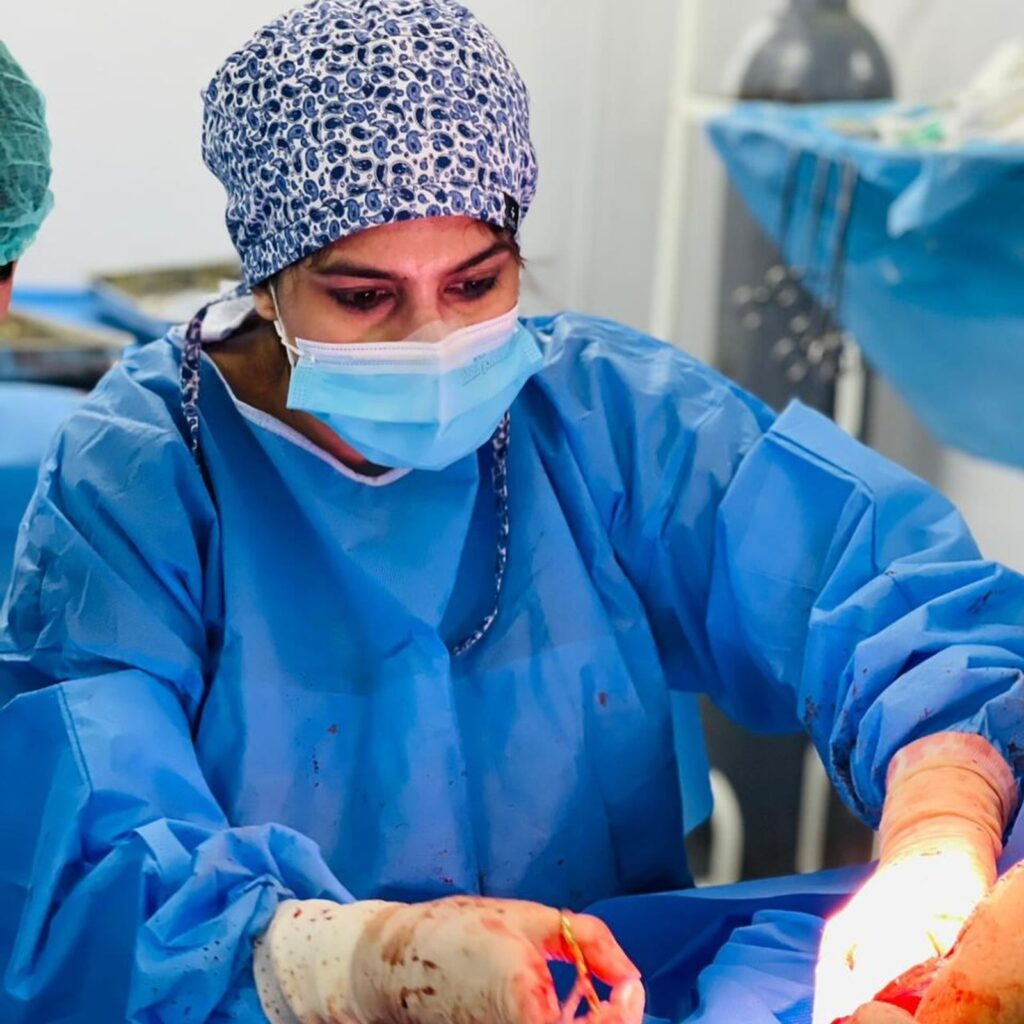
Dr. Umbreen Munir Minhas trained in both cosmetic and reconstructive plastic surgery, including cleft, flap and skin graft work, which demands the same careful handling of cartilage and skin as nose surgery. She checks your breathing as carefully as your profile.
- FCPS in Plastic Surgery (2022), College of Physicians and Surgeons Pakistan (CPSP)
- MBBS (2014), University of Health Sciences, Lahore
- 10+ years of experience and 500+ patients treated
- PMDC verified, rated 5.0 on Google and 4.9 out of 5 on Oladoc
- Consultations at ODC Aesthetics Pavilion, G-8 Markaz, Islamabad
Rhinoplasty or Non-Surgical Rhinoplasty: Which Suits You?
Non-surgical rhinoplasty uses dermal filler to hide a small bump or lift the tip, without any cutting.
| Feature | Rhinoplasty | Non-Surgical Rhinoplasty |
|---|---|---|
| Can it make the nose smaller? | Yes | No, filler only adds volume |
| Fixes breathing or a crooked septum? | Yes | No |
| Treatment | Surgery in an operating theatre | Injections in about 20 to 30 minutes |
| How long it lasts | Long term | Usually up to about a year |
| Cost pattern | One higher fee | Lower fee, repeated over time |
Filler in the nose carries a rare risk of blocking a blood vessel, and around 200 cases of filler-related vision loss have been published. It should only be injected by a trained doctor.
On Instagram
Watch Dr. Umbreen Munir Minhas on Instagram
Short videos from Dr. Umbreen Munir Minhas: patient questions answered, conferences and TV interviews.
Patient advice
On PTV Home: women in medicine
Are silicone implants safe?
Answering a common concern
On TV: hand trauma and replantation
Gym after breast surgery
AASP Annual Conference 2026
Breastfeeding after implants
Do implants cause sagging?
Where Can You Book Rhinoplasty in Islamabad?
Consultations are held privately at ODC Aesthetics Pavilion, Omer Diagnostic & Specialist Clinics, 12-A, LG Floor, CBC Plaza, G-8 Markaz, Islamabad, Monday to Saturday from 11:00 AM to 6:00 PM. Patients also travel from Rawalpindi and nearby cities.
Bring 2 or 3 clear photos of your nose, any earlier surgery reports and a list of your medicines.
What Else Do Patients Ask About Rhinoplasty?
Is rhinoplasty painful?
Most patients describe pressure and a stuffy nose rather than sharp pain. The discomfort is usually mild to moderate, is controlled with prescribed painkillers, and eases within about a week.
Are rhinoplasty results permanent?
The changes to bone and cartilage are long lasting and do not wear off like filler. Your nose will still age with the rest of your face, and a later injury can alter the result.
What is the right age for rhinoplasty?
The nose usually stops growing around 16 in girls and 17 in boys. Cosmetic surgery waits until growth is complete, and many surgeons prefer 18 or older unless there is a breathing problem.
How long before my wedding should I have rhinoplasty?
Plan surgery at least 6 months before the wedding. By then bruising has long gone, most swelling has settled, and your nose will look natural in close-up photos and on video.
Can rhinoplasty be combined with another procedure?
Yes. Chin augmentation and eyelid surgery are often done under the same anesthesia. Combining them means one recovery period, though the operation becomes longer and the fee changes.
How do I choose the best rhinoplasty surgeon in Islamabad?
Look for an FCPS in Plastic Surgery and PMDC registration. Ask to see consented photos of noses like yours, and choose a surgeon who checks your breathing and explains what cannot be changed.
Patient Guides on Nose Surgery
Written and medically reviewed by Dr. Umbreen Munir Minhas.

What Is Rhinoplasty and Who Needs It?
Rhinoplasty is surgery that reshapes the nose by changing its bone, cartilage or both. People call it a nose job or nose surgery.
30/06/2026
How Much Does Rhinoplasty Cost in Pakistan in 2026?
Rhinoplasty cost in Pakistan usually falls between PKR 150,000 and PKR 300,000 for a first-time surgical nose job at an established clinic in Islamabad or Lahore, according to prices clinics publish in 2026.
30/06/2026
How Painful Is Rhinoplasty? A Day-by-Day Pain Guide
Rhinoplasty is usually less painful than people expect. Most patients describe mild to moderate pain that peaks on days one and two and settles within about a week.
30/06/2026