
What Are Chemical Peels and What Do They Treat?
A chemical peel is a skin treatment that applies an acid solution to remove damaged outer layers of skin in a controlled way. New, smoother and more even skin grows back in its place.
Wound care in Islamabad with Dr. Umbreen Munir Minhas finds why a wound is not healing, prepares it properly and plans the right closure, from dressings to grafts and flaps.

Medically reviewed by Dr. Umbreen Munir Minhas, MBBS, FCPS (Plastic Surgery). Last updated October 2026.


 Trustindex verifies that the original source of the review is Google.
 Trustindex verifies that the original source of the review is Google.
 Trustindex verifies that the original source of the review is Google.
 Trustindex verifies that the original source of the review is Google.
 Trustindex verifies that the original source of the review is Google.
 Trustindex verifies that the original source of the review is Google.
 Trustindex verifies that the original source of the review is Google.
 Trustindex verifies that the original source of the review is Google.
 Trustindex verifies that the original source of the review is Google.
 Trustindex verifies that the original source of the review is Google.
A chronic wound is one that has not healed after about 6 to 12 weeks, or keeps breaking down. It is usually stuck in the inflammation stage because something is holding healing back.
Common causes are diabetes, poor circulation, pressure, infection and smoking. Treating the cause matters as much as treating the wound itself.
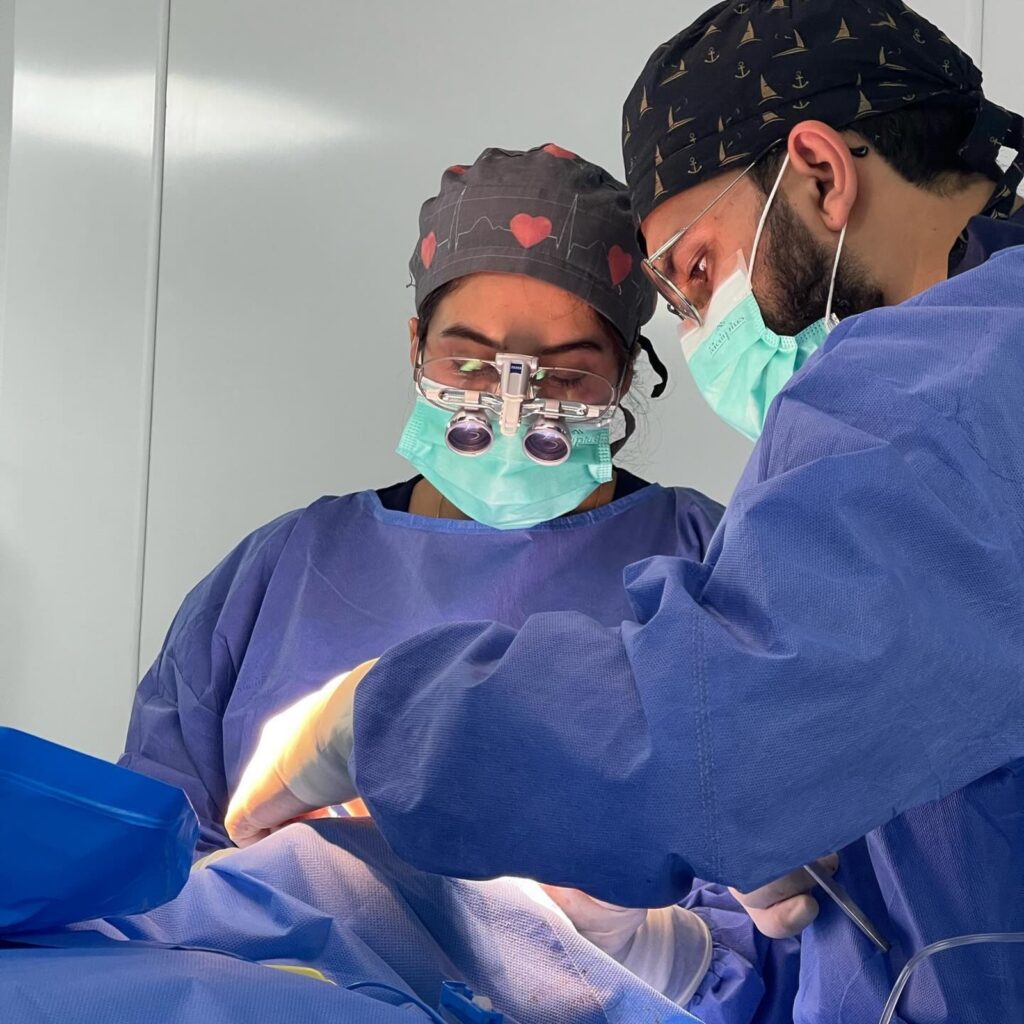
High blood sugar slows healing and dulls feeling in the feet. A Punjab study found foot ulcers in 16.83% of people with diabetes.
Narrowed arteries or swollen veins starve tissue of oxygen. Leg ulcers often need a vascular check before they can heal.
Lying or sitting in one position, especially after illness or paralysis, causes pressure sores over the hips, back and heels.
Bacteria and dead tissue in a wound stop new skin forming. Cleaning the wound bed is often the first step to healing.
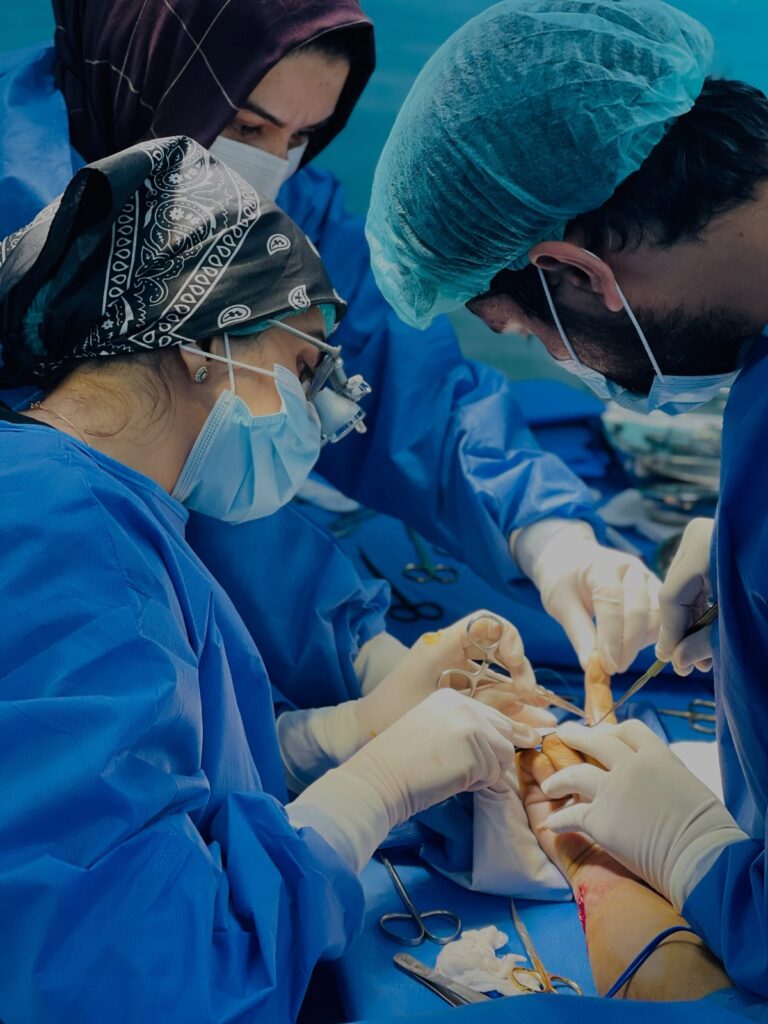
A sore on the sole or toes that you may not feel. It needs blood sugar control, offloading and close checks.
A wound over bone from constant pressure. Relieving pressure comes first, then flaps for deep sores.
A traumatic wound with skin loss or exposed tissue. It is cleaned, then closed with grafts or flaps.
A surgical wound that has opened or become infected. It is cleaned and allowed to heal or closed again.
Dr. Umbreen Munir Minhas measures the wound, checks pulses, sensation and signs of infection, and reviews your blood sugar, medicines and nutrition.
Diabetes, circulation and pressure problems are addressed with your physician or vascular team, as no dressing works if these continue.
Dead tissue is removed, infection is treated and suitable dressings are chosen. Some wounds benefit from suction-based dressings.
Once the bed is healthy, the wound is left to heal, stitched, grafted or covered with a flap, depending on its size and depth.
| Stage | What to Expect |
|---|---|
| First visit | Assessment, tests and a cleaning plan. |
| Weeks 1 to 2 | Infection controlled and dead tissue removed. |
| Weeks 2 to 6 | Healthy red tissue fills the wound bed. |
| Closure stage | Wound heals, or a graft or flap is planned. |
| Long term | Footwear, pressure care and sugar control prevent return. |
Keep dressings clean and dry, follow offloading advice exactly, and check feet daily if you have diabetes, using a mirror if needed.
Untreated foot ulcers can spread infection to bone. In Pakistan, amputation after a diabetic foot ulcer has been reported in 8 to 21% of cases, which is why early care matters.
Dressings and surgery cannot overcome blocked arteries or uncontrolled blood sugar. Those must be treated alongside the wound.
Your fee is confirmed after assessment, once the wound plan is clear. Ask for one written estimate covering visits, dressings and any surgery.
| Factor | How It Affects Your Fee |
|---|---|
| Wound size and depth | Larger wounds need more care and supplies. |
| Dressings | Advanced dressings cost more than simple ones. |
| Cleaning procedures | Surgical cleaning adds to the total. |
| Closure | Grafts or flaps are separate operations. |
Ask which visits and dressings are included, as chronic wounds need regular checks over several weeks.
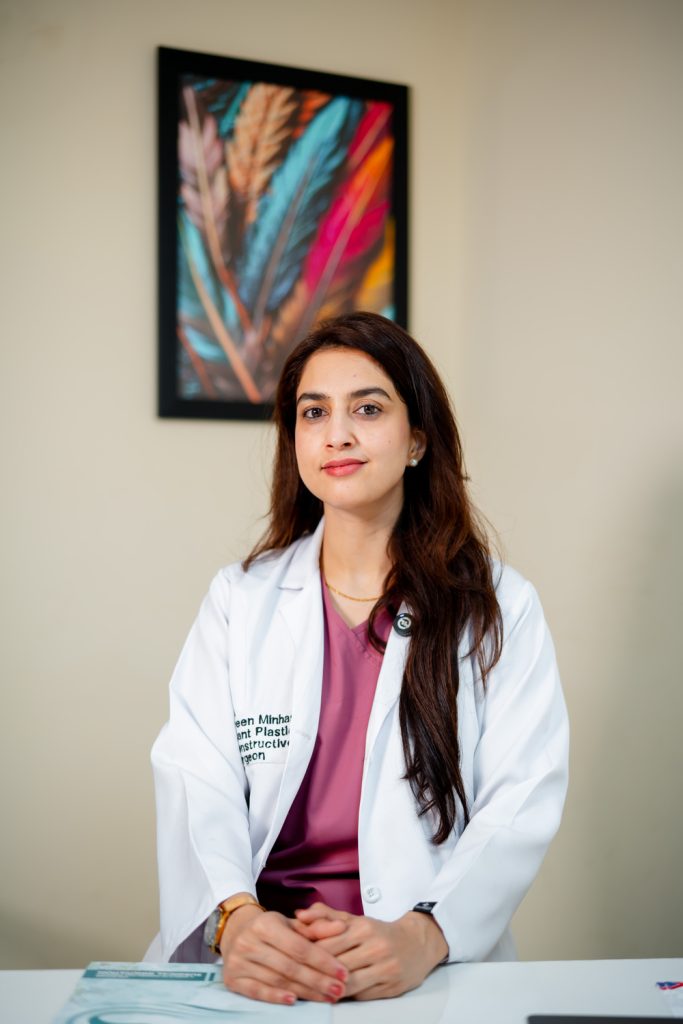
Open wounds, skin grafts and flaps are listed among her public services, so she can take a wound from preparation through to surgical closure when dressings alone are not enough.
Surgical closure uses stitches, grafts or flaps to close a wound instead of waiting for it to fill in on its own.
| Feature | Dressings Alone | Surgical Closure |
|---|---|---|
| Suits | Small, shallow wounds | Large, deep or exposed wounds |
| Healing time | Often slow | Faster once healed in |
| Covers bone or tendon? | Poorly | Yes, with flaps |
| Anesthesia | None | Local or general |
| Needs a healthy wound bed? | Helps | Essential |
Suction dressings are widely used to prepare wounds, though reviews of their benefit in chronic wounds remain mixed, so they are chosen case by case.
Dr. Umbreen Munir Minhas sees patients privately at Omer Diagnostic & Specialist Clinics (ODC), 12-A, LG Floor, CBC Plaza, G-8 Markaz, Islamabad, Monday to Saturday, 11:00 AM to 6:00 PM.
Bring your blood sugar records and medicine list. Fever, spreading redness or a black, smelly foot wound needs a hospital emergency department straight away.
Choose a doctor who looks for the underlying cause, works with your diabetes or vascular team and can close the wound with surgery if it stalls despite good care.
Dressing changes may sting, and wound cleaning is done with numbing medicine. Diabetic foot wounds often cause little pain because of nerve damage, which is why they are missed.
Many wounds heal fully once the cause is controlled. Diabetic foot and pressure wounds can return unless footwear, pressure care and blood sugar stay well managed.
It combines blood sugar control, offloading pressure from the sore, infection treatment, regular cleaning and checks of circulation, often with several specialists working together as one team.
Most wounds heal faster when kept clean, slightly moist and covered with a suitable dressing. Leaving them open to dry out and form a hard crust usually slows healing.
No. Turmeric, ash, toothpaste and herbal pastes can irritate or infect wounds and hide warning signs. Use only the dressings advised by your doctor or wound nurse.
Patient guides from Dr. Umbreen Munir Minhas’s blog.
A chemical peel is a skin treatment that applies an acid solution to remove damaged outer layers of skin in a controlled way. New, smoother and more even skin grows back in its place.

A mole is a growth of your own pigment cells, so removing it is a medical decision that may need a laboratory check. A tattoo is ink placed in the skin from outside, so removing it is about breaking that ink down, usually with…

Moles are removed safely by a doctor, under local anaesthetic, using a method chosen after the mole has been examined. The most important safety step is checking whether the mole needs to be sent to a laboratory before anything…