
What Are Chemical Peels and What Do They Treat?
A chemical peel is a skin treatment that applies an acid solution to remove damaged outer layers of skin in a controlled way. New, smoother and more even skin grows back in its place.
Dr. Umbreen Munir Minhas works as a hand surgeon in Islamabad, repairing injured tendons, nerves and skin of the hand, and correcting hand differences present from birth, aiming to restore grip, feeling and movement.

Medically reviewed by Dr. Umbreen Munir Minhas, MBBS, FCPS (Plastic Surgery). Last updated October 2026.


 Trustindex verifies that the original source of the review is Google.
 Trustindex verifies that the original source of the review is Google.
 Trustindex verifies that the original source of the review is Google.
 Trustindex verifies that the original source of the review is Google.
 Trustindex verifies that the original source of the review is Google.
 Trustindex verifies that the original source of the review is Google.
 Trustindex verifies that the original source of the review is Google.
 Trustindex verifies that the original source of the review is Google.
 Trustindex verifies that the original source of the review is Google.
 Trustindex verifies that the original source of the review is Google.
It repairs the tendons that bend and straighten the fingers, the nerves that carry feeling, the skin that covers them, and scars or birth differences that limit how the hand works.
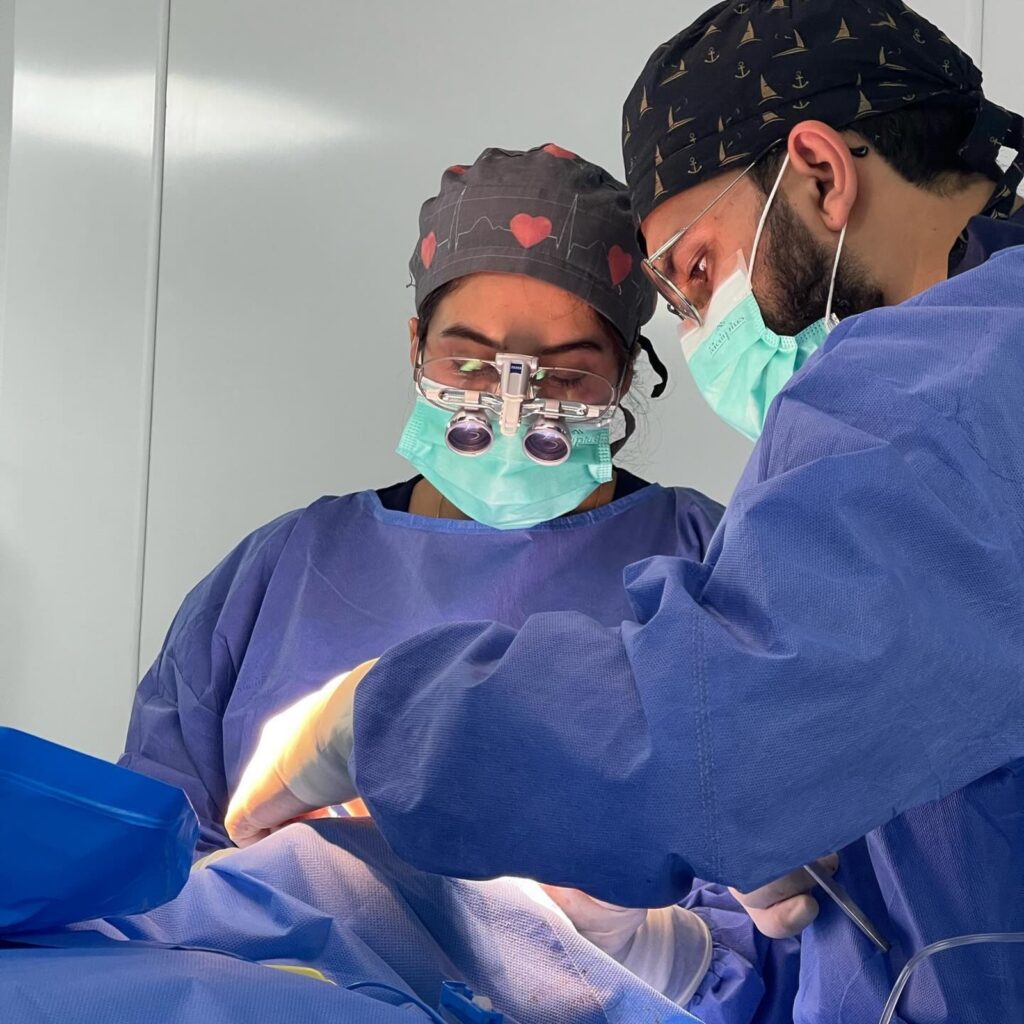
Plastic surgeons train in fine repair under magnification, which matters because tendons and nerves in the fingers are only a few millimetres wide.
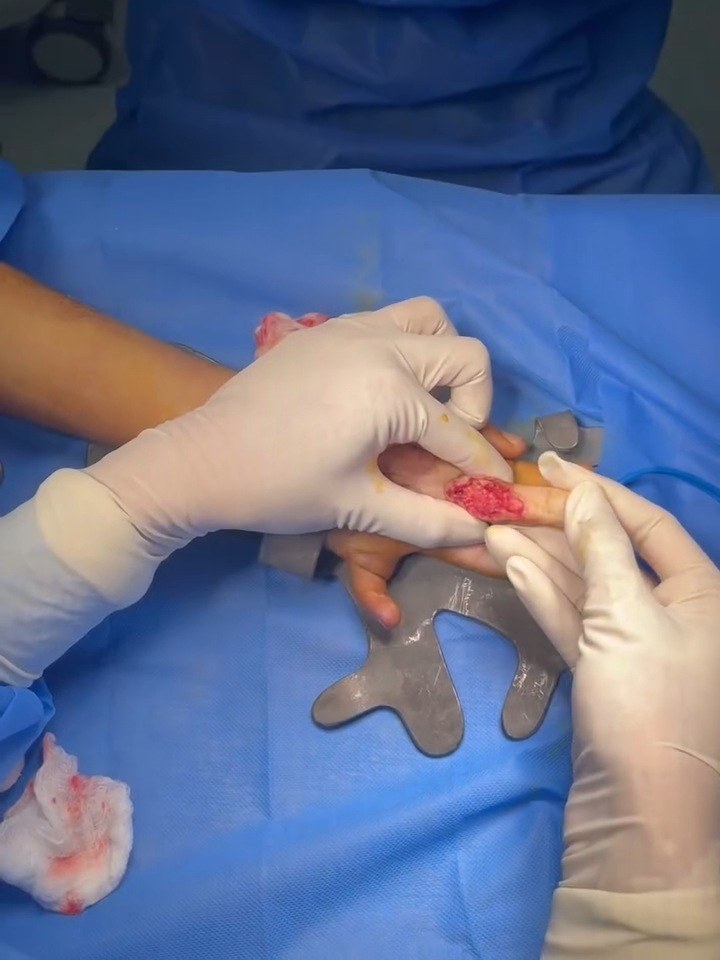
Glass, knives and sheet metal cut tendons and nerves easily. In one Pakistani study, 18.11% of hand injuries were lacerations and 10.14% involved tendons.
In a Karachi study of 200 patients, most were young men injured while working with machines, often with damage to several structures.
Partial or complete loss of a fingertip or finger was seen in 12.31% of hand injuries. Repair aims to keep length, cover bone and protect feeling.
Joined fingers, extra fingers and other differences can affect grip and appearance. Correction is timed around the child’s growth.
You cannot bend or straighten a finger after a cut. The tendon ends are stitched and protected in a splint.
A finger or part of the hand feels numb after injury. The nerve is joined under magnification or bridged with a graft.
Skin is lost or a scar pulls the finger bent. Grafts, flaps or Z-plasty restore cover and straighten the finger.
A child is born with joined or extra fingers. Separation or removal is planned with grafts to cover the new edges.
Most people regain useful grip and movement, but recovery depends on the injury, how early it was repaired and how well you follow therapy. Nerves recover slowly over months. Photos below are shared with consent.

Illustrative images. See Dr. Umbreen Munir Minhas’s patient results in the before and after gallery.
Dr. Umbreen Munir Minhas tests each finger’s movement and feeling and checks the blood supply. X-rays show fractures or foreign bodies such as glass.
Fresh injuries are cleaned and covered, with tetanus cover and antibiotics where needed. Planned surgery for old injuries is booked after swelling settles.
Most repairs are done under a regional nerve block or general anesthesia, with a tourniquet to keep the area bloodless and magnification for fine work.
A splint protects the repair, and hand therapy starts early to stop tendons sticking. Most people go home the same day or the next.
| Time After Surgery | What to Expect |
|---|---|
| Days 1 to 3 | Keep the hand raised above heart level. |
| Weeks 1 to 2 | Stitches out. Guided movement exercises continue. |
| Weeks 4 to 6 | Splint is gradually reduced. |
| Weeks 8 to 12 | Strengthening and return to most work. |
| Months 6 to 12 | Nerve feeling and final movement improve. |
Do not grip, lift or remove the splint early, as a repaired tendon can snap in the first weeks. Attend every therapy session.
The commonest problems after tendon repair are stiffness and the tendon sticking to nearby tissue. Smoking and missed therapy raise the risk.
Severe nerve damage may never regain full feeling, and very old tendon injuries may need grafts or tendon transfers rather than direct repair.
Your fee is confirmed after examination, once the repair plan is clear. Ask for one written estimate covering surgery, splints and therapy.
| Factor | How It Affects Your Fee |
|---|---|
| Structures injured | Tendon plus nerve repair takes longer. |
| Anesthesia | A nerve block costs less than general. |
| Splints | Custom splints are charged separately. |
| Hand therapy | Several weeks of therapy add to the total. |
Check if your employer or insurance covers work-related hand injuries, as many panels do.

She is listed publicly as a hand surgeon, treating congenital and traumatic hand injuries, nerve injuries and brachial plexus injuries, with burns and grafting experience for skin loss.
Both may treat the hand. Plastic surgeons focus on soft tissue, while orthopaedic surgeons focus on bones and joints.
| Feature | Plastic Surgeon | Orthopaedic Surgeon |
|---|---|---|
| Main focus | Tendons, nerves, skin, vessels | Fractures and joints |
| Skin loss and grafts | Core skill | Often referred |
| Nerve repair | Core skill | Sometimes |
| Complex fractures | Sometimes | Core skill |
| Burn and scar contractures | Core skill | Rarely |
Many injuries involve both, so the two specialties often work together on bone, tendon and skin in the same hand.
Dr. Umbreen Munir Minhas sees patients privately at Omer Diagnostic & Specialist Clinics (ODC), 12-A, LG Floor, CBC Plaza, G-8 Markaz, Islamabad, Monday to Saturday, 11:00 AM to 6:00 PM.
For a fresh cut with numbness, a finger you cannot bend or heavy bleeding, go to a hospital emergency department the same day.
Choose a qualified surgeon who repairs tendons and nerves regularly, works closely with a hand therapist and explains the splint and exercise plan clearly before surgery.
The hand is fully numbed during surgery. Afterwards, raising the hand and taking prescribed pain relief control most discomfort, which eases over the first week.
Once healed, a repaired tendon is lasting and strong. Some stiffness can remain, and a few people need a second operation to free the tendon.
Ideally within days of the injury, because cut tendons shrink back and become harder to rejoin. Late cases can still be helped with grafts or transfers.
Desk work may resume within weeks with the splint on. Heavy manual work waits until your therapist confirms strength has returned, which is part of your recovery plan.
Yes. Children heal quickly but find splints and exercises harder to follow, so parents play a key role. Hand growth is monitored for years after the repair.
Patient guides from Dr. Umbreen Munir Minhas’s blog.
A chemical peel is a skin treatment that applies an acid solution to remove damaged outer layers of skin in a controlled way. New, smoother and more even skin grows back in its place.

A mole is a growth of your own pigment cells, so removing it is a medical decision that may need a laboratory check. A tattoo is ink placed in the skin from outside, so removing it is about breaking that ink down, usually with…
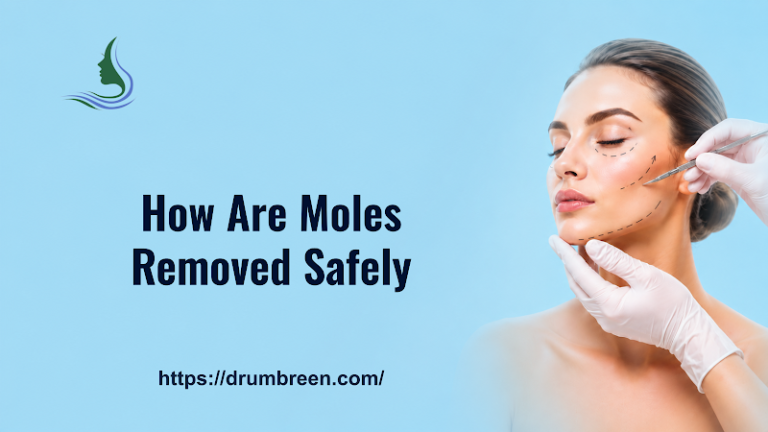
Moles are removed safely by a doctor, under local anaesthetic, using a method chosen after the mole has been examined. The most important safety step is checking whether the mole needs to be sent to a laboratory before anything…